

2025 Spring Ecosystem Restoration Weekend Workshop Series
Workshops were coordinated by Starrlight Augustine, Ph.D. (Institute of Ecotechnics director and Synergia Ranch agroecology farm manager)
March 21-23 “Building Erosion Control Structures”
April 11 – 13 “Building Erosion Control Structures”
April 25-27 “Building Erosion Control Structures”
May 16-18 “Growing Erosion Control Hedges”
June 13-15 “Building Erosion Control Structures”
Special Guest Teacher March, April and June: Jan-Willem Jansens (Ecotone Landscape Planning LLC)
Special Guest Teacher May: Josh Weybright (Bright Way Soil Health)
Description
Over the course of four of the workshops (March, April and June) we collectively designed a site restoration plan and constructed low-tech erosion control structures using wood and on-site farm materials, with guidance and feedback from Jan-Willem Jansens. We broadened our comprehension of water cycles, climate, and agroecology within this fragile environment.
Over the course of the May workshop we focussed on technics of growing erosion control structures under the guidance of Starrlight Augustine and Josh Weybright. We covered topics of establishing native grass hedges and native native diverse pollinator hedgerows on agricultural land. Participants received hands on practice planting, setting up salvaged drip irrigation lines, and inoculating the soil with healthy microbiology.
Throughout social sessions in all workshops, we explored political/ cultural and financial structures through lenses of decentralized governance using examples from classic anarchist texts as well as various cultural and biological systems.
Altogether, through this work we enhanced our shared knowledge of how modest and precise actions taken today can affect soil health, biodiversity, cultural and social well-being, and resilience of food resources. Now and for future generations.
Building Erosion Control Structures
March 21, 22 & 23 (guest teacher Jan-Willem Jansens March 22nd)
April 11, 12 & 13 (guest teacher Jan-Willem Jansens April 11th)
April 25, 26 & 27 (guest teacher Jan-Willem Jansens April 25th)
June 13, 14 & 15 (guest teacher Jan-Willem Jansens June 14th and 15th)
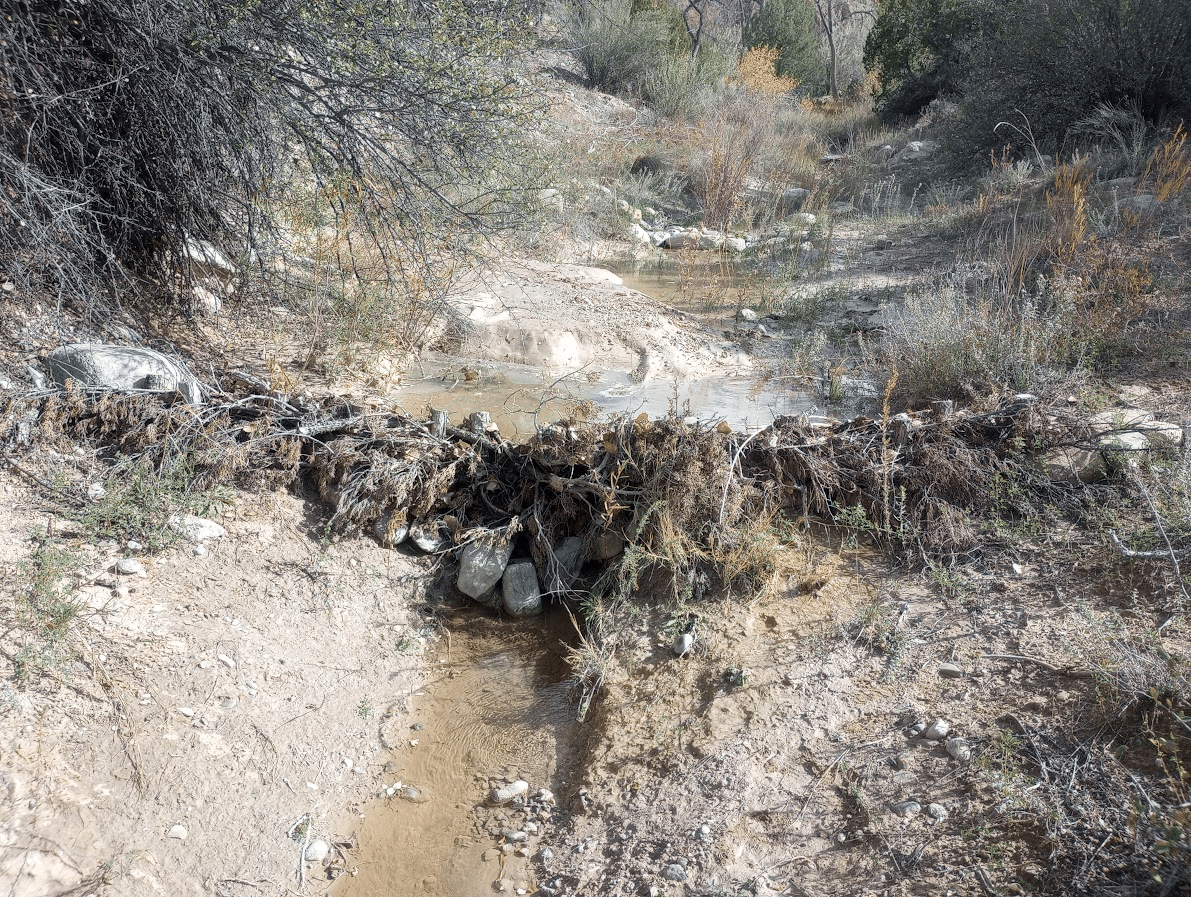
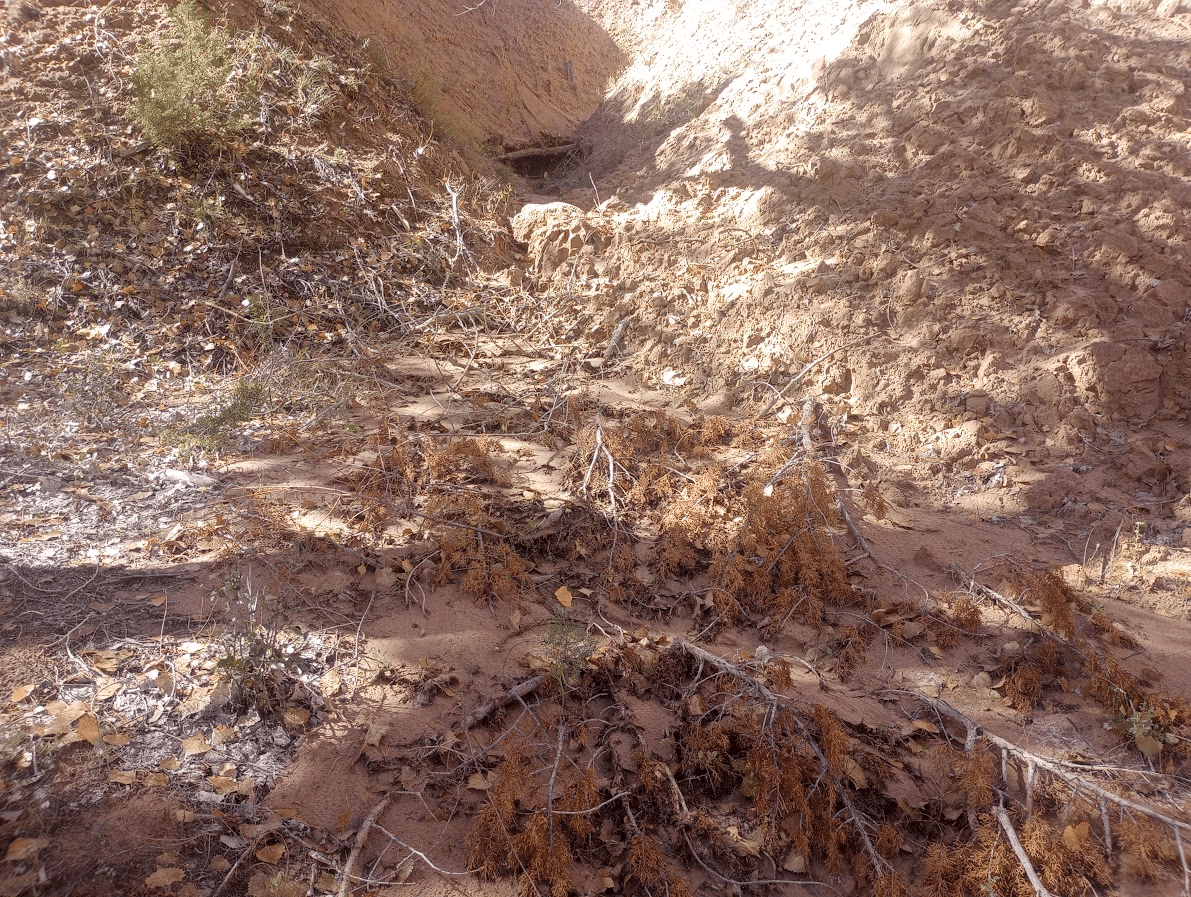
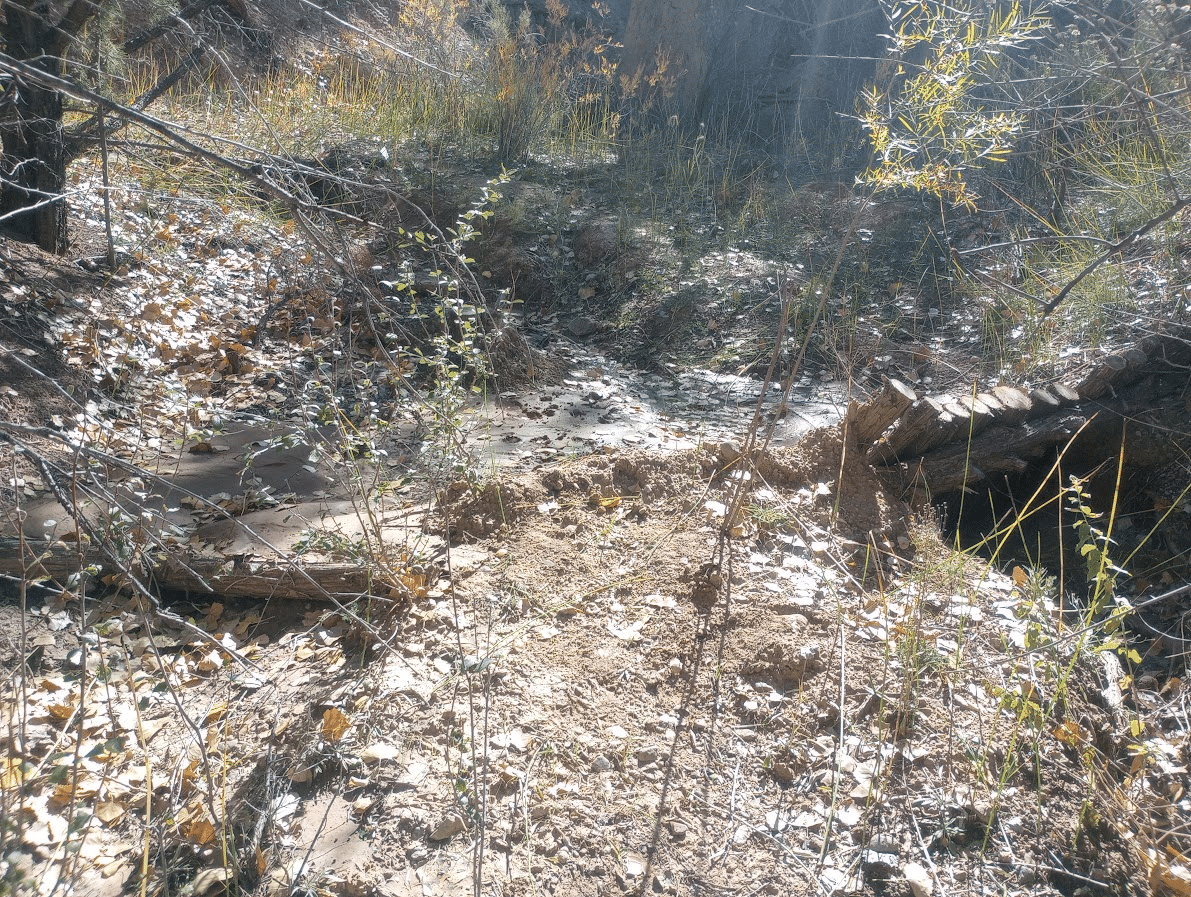
Theory blended with practice over the course of 3 months (March, April nd June). Starrlight and her team coordinated crews between the sessions where Jan-Willem taught. Jan-Willem first dedicated a day to planning and design (March 22nd). He subsequently intervened three times over the course of the workshop to review, evaluate, and direct corrections for work done in his absence. The sessions led by Jan-Willem were as follows:
Saturday March 22nd : 9 am – 5 pm “Reading the landscape, planning and design of the application of the techniques for soil health and erosion control”. Walk in pairs, observation study, 20 minutes writing, sketches, poems, etc.- express and feel the landscape, and from there get into planning and flagging out of work to be built. Guided practice in the construction of a few demo erosion control structures.
Friday April 11th : 1:00 – 5:00 pm review of the work done March 23 (Sunday): tweaking what was built, flagging and building more structures to be replicated in subsequent workshop crews
Friday April 25th : 1:00 – 5:00 pm review of the work done Apil 12 and 13: tweaking what was built, flagging and building more structures to be replicated in subsequent workshop crews
Saturday June 14th : 9:00am – 12:00 pm review and corrections of the work done over the course of this workshop series. Group discussions.
Sunday June 15th : 9:00am – 12:00 pm review and corrections of the work done over the course of this workshop series. Group discussions.
Growing Erosion Control Structures
May 16, 17 & 18 (guest teachers Starrlight Augustine and Josh Weybright)
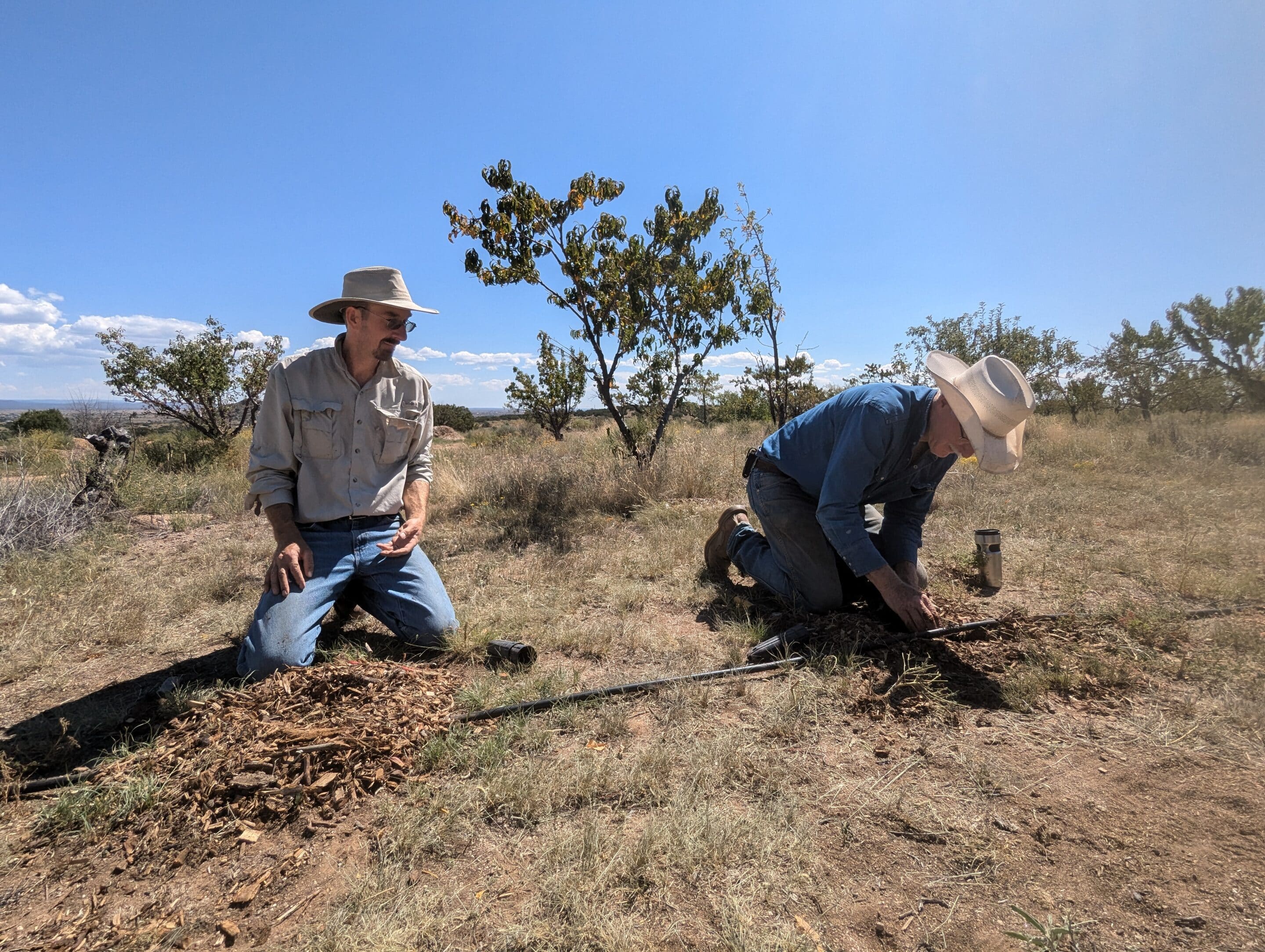
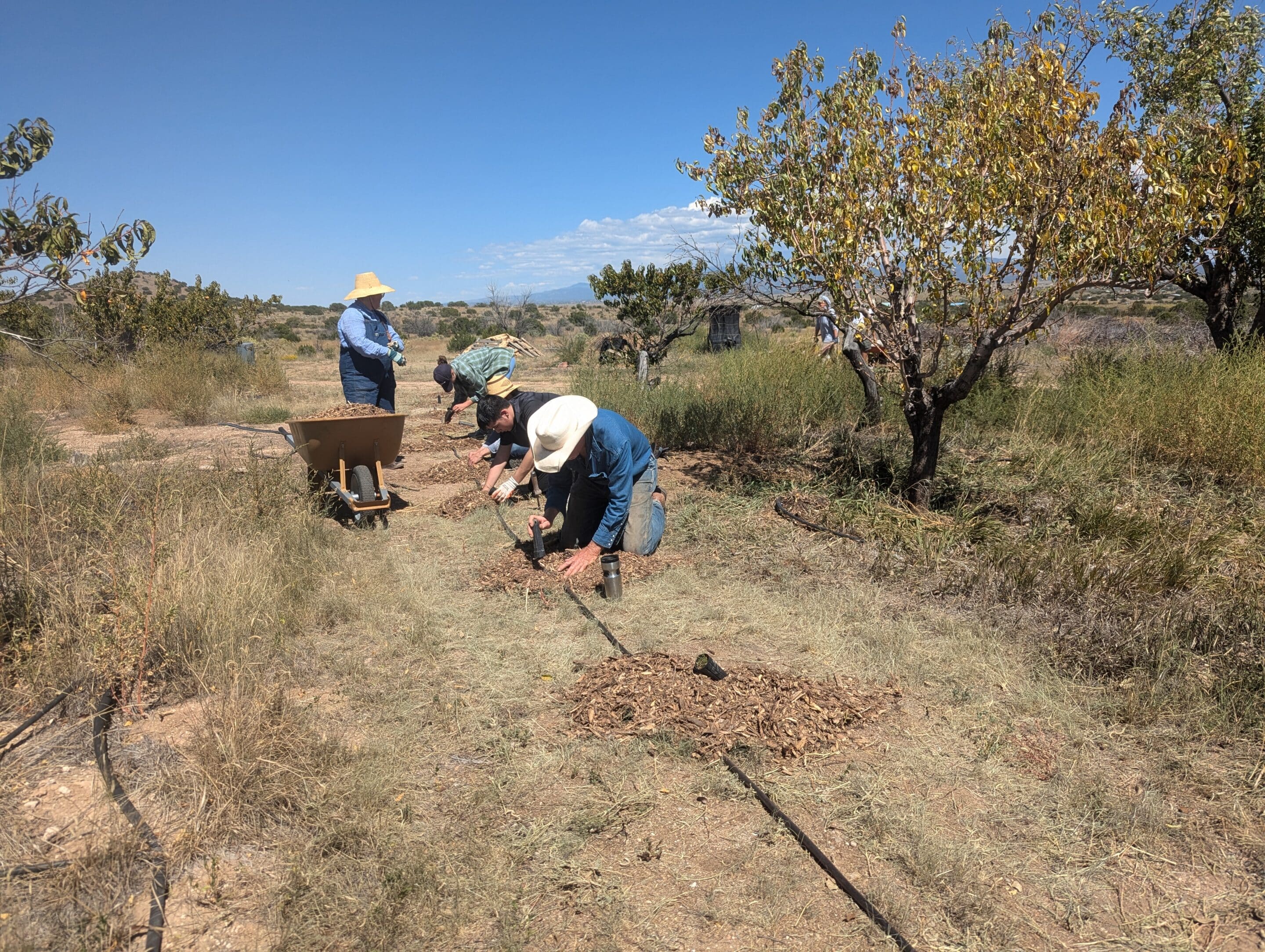
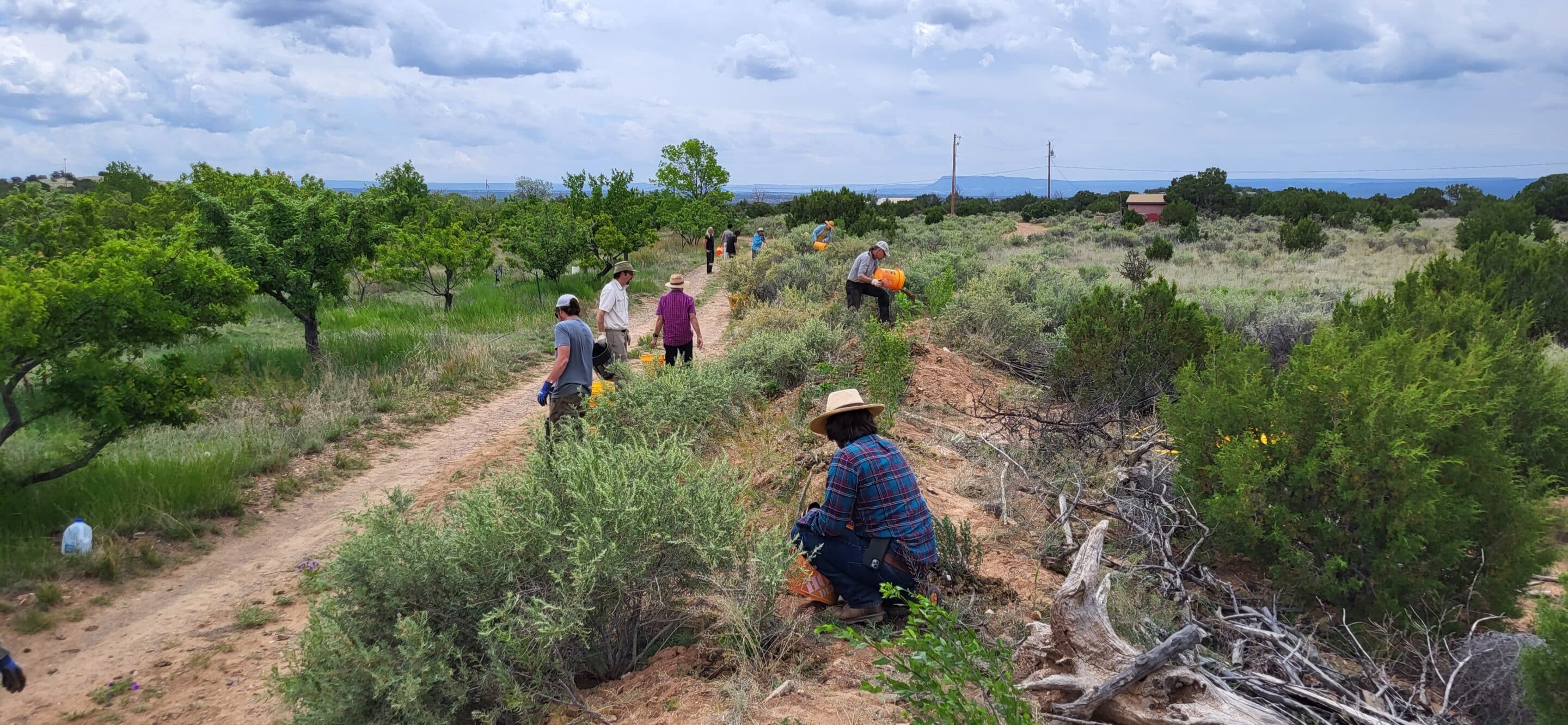
The power of grasses, shrubs and trees to hold soil and protect areas from winds is known. How to successfully establish windbreaks in this tough climate? During this week-end went over theoretical and technical aspects of establishing and growing native grass hedges and well as diverse native pollinator hedgerows. We planted roughly 1000′ of diverse native pollinator hedgerow using salvaged irrigation lines. The plants are growing strongly.